 DON'T JUST SCROLL. STAY CURIOUS.
Tobin Rook Received an Impossible Message — The Envelope Made It Worse
Tobin receives a handwritten message that should be impossible. The envelope offers a clue, but it also raises a much more troubling question.
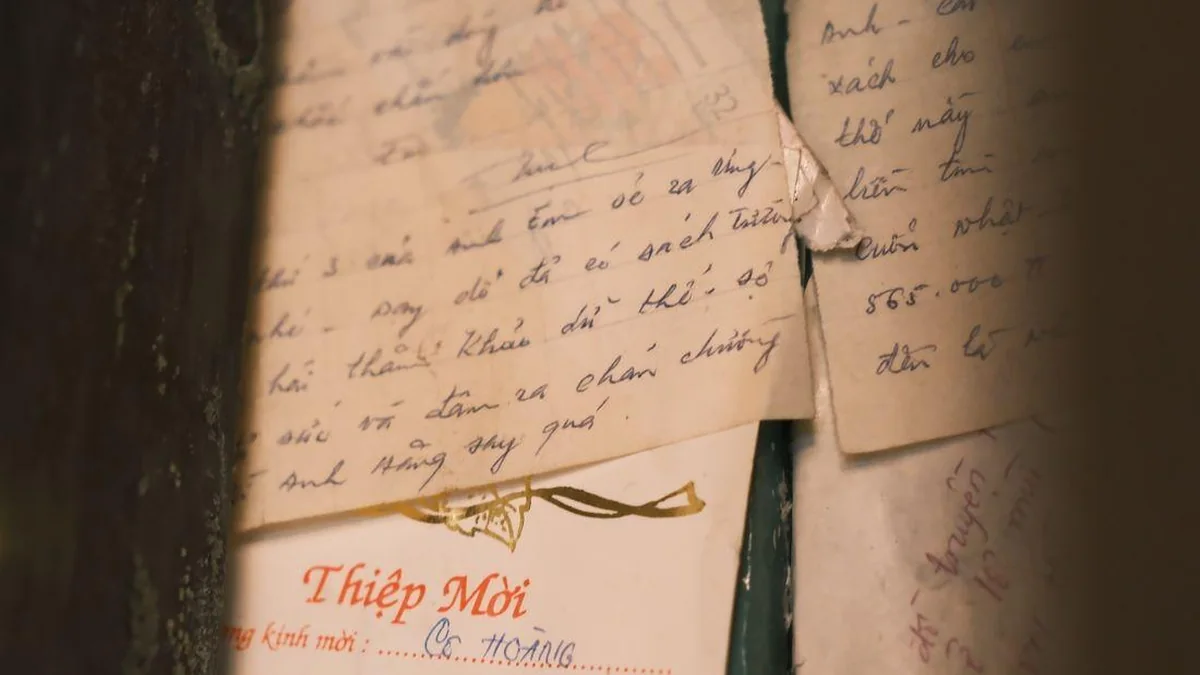
Original fiction. The message arrived on a Thursday, in handwriting Tobin Rook hadn’t seen for fifteen years. It contained seven words: Don't let them throw away the blue box.
The sender was Eliza, his childhood friend, who had died in a climbing accident. The envelope bore a fresh local postmark and a return address that had been demolished more than a decade earlier. Tobin sat at his kitchen table until the tea beside him went cold.
A familiar hand
He knew the writing. Eliza made her capital E like a backward three, and she always left too much space after a comma. The paper smelled faintly of cedar, exactly like the wooden school desks in which they used to hide notes.
Tobin photographed the envelope and called Eliza's older brother, Daniel. Daniel stared at the picture on his phone and asked, with impressive restraint, whether somebody was playing a cruel joke. Tobin wished it were that simple.
They compared the letter against old birthday cards. The peculiar E matched. So did the habit of drawing an almost invisible line under the last word. But handwriting could be copied. Daniel asked about the postmark; Tobin sent another photo.
The date wasn’t just recent. It was tomorrow's date.
A box in the storeroom
The missing blue box had been a wooden biscuit tin painted during a summer they were all thirteen. Inside were letters they wrote to their future selves, scraps from a seaside fair, and a tape recording of Eliza reading the names of every person in their class. Eliza insisted they bury it in her grandparents' garden. Nobody remembered digging it up.
Daniel phoned the current owners of the old house. The property had been sold twice, and the garden was now a paved courtyard. The owners knew nothing about a box, but the elderly woman next door remembered workmen finding a painted tin during renovations. She thought it had been donated to a neighborhood museum.
The museum was closing its storage annex that week. Dozens of unlabeled boxes were being cleared from the basement. Tobin and Daniel arrived just before lunchtime and asked to see the accession register.
The curator looked embarrassed. A blue tin appeared in a photograph from a donation made twelve years earlier, but the accession label was unreadable. She led them through three storerooms before finding it beneath a stack of old sports programs.
The tin was scratched and damp. Inside lay letters, photographs, a cassette, and a smaller envelope addressed to Tobin in Eliza's hand. He reached for it, but Daniel asked him to wait. After everything, neither wanted to turn an accident of storage into a supernatural test.
The postmark
The curator helped them check the postal mark. It wasn't from the postal service at all. The impression came from a date stamp used by a local historical reenactment group; a small decorative star, blurred in the photograph, gave it away. The group had held an event the previous weekend where visitors could stamp their own envelopes.
Who mailed the letter? There was no sender information. The obvious answer was someone who had found the box, copied Eliza's writing, and wanted them to save it before the annex closed. But why choose Tobin? And how did they know the box was there?
At the back of the tin they found an envelope containing instructions from Eliza. She had planned a game in which friends would send their old letters at unpredictable times, each using the words Don't let them throw away the blue box as the signal. She had written sample copies and sealed them. Tobin recognized the exact seven-word message.
Daniel had no idea who might still have one of those copies. That part remained unexplained.
The thing they almost lost
They digitized the tape at the museum. The cassette began with laughter, bad microphone handling, and the sound of Eliza shouting at somebody to stop kicking the table. Then came the names. Tobin heard himself at thirteen making a joke nobody understood. Daniel had to leave the room for a minute.
Tobin opened the smaller envelope after dinner. Eliza's message to him wasn’t prophetic. It was a list of the things she hoped they'd still be doing as adults: climbing trees, singing badly, being kind to the shy people in new rooms. At the bottom she had written, If you've forgotten this box, that's okay. You were supposed to go somewhere.
He put the note beside the newer envelope. He still didn’t know who had posted it. He might never know. The blue tin, however, was real, and the voice on the tape was real, and Daniel was coming back the next day to listen again.
For the first time since Thursday, Tobin stopped treating the message as an impossible problem. He thought of it as a peculiar act of kindness whose author had chosen not to sign their name.


